We are delighted to offer 10 bursaries to support Kenyan participants to attend the Community-Led Conservation (CLC) Conference 2026, taking place on 2–6th November at Brackenhurst Conference Centre, Limuru. The bursaries are sponsored by San Diego Zoo Wildlife Alliance.

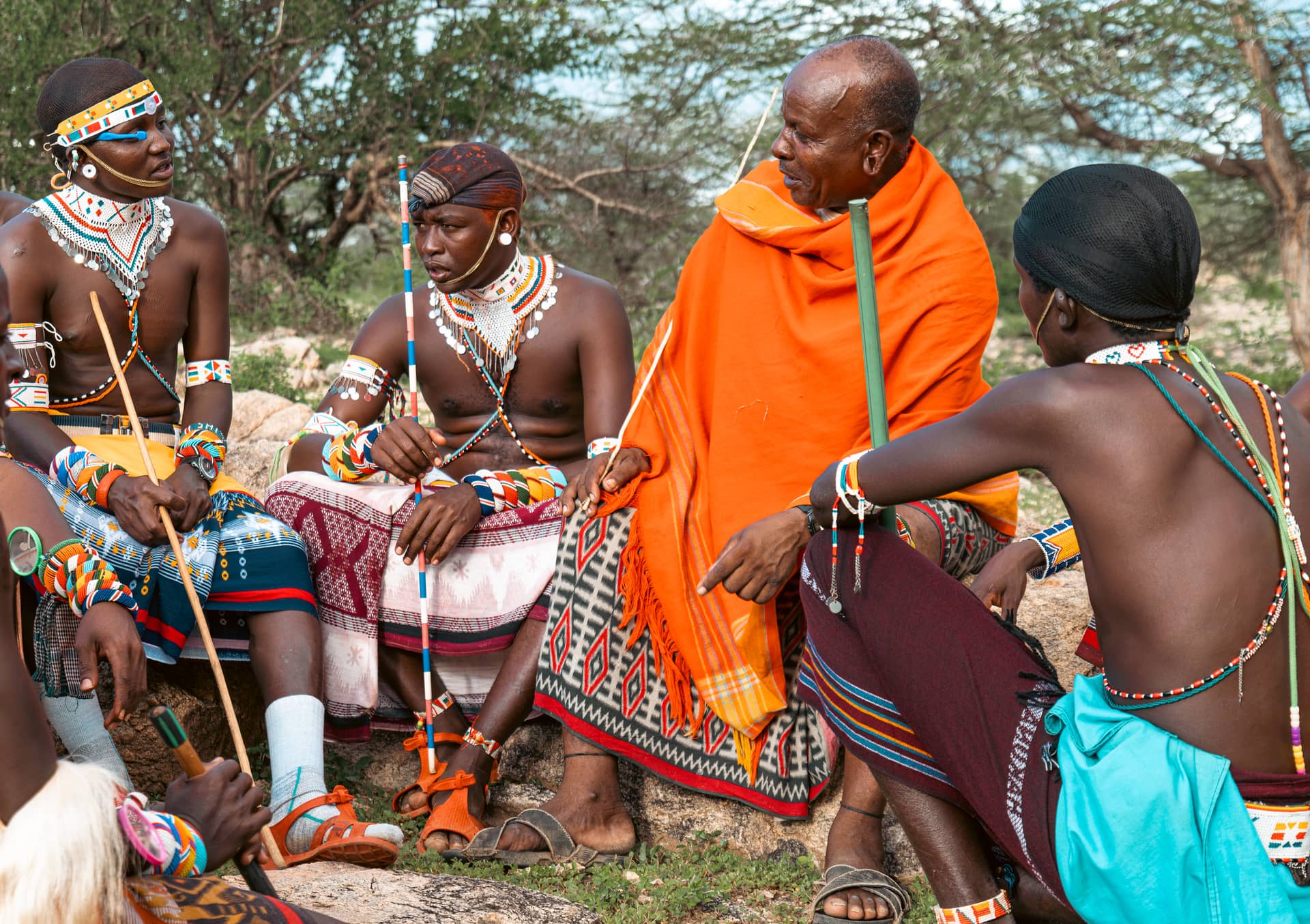
The CLC conference brings together community members and leaders, conservation practitioners, policymakers and partners to share experiences and shape the future of community-led conservation. This is a rare opportunity to learn from peers across Kenya and beyond, and to have your voice heard at an international level.

What the Bursary Covers

Each bursary covers the full cost of attending the conference, including:

  • Conference registration fees
  • Return transport to Brackenhurst Conference Centre, Limuru
  • Accommodation for the duration of the conference (shared rooms)
  • All meals during the conference

Please note that bursary recipients will be expected to share rooms with other attendees.

Who Can Apply

The bursary is open to Kenyan participants only. We are particularly looking for applicants who:

  • Are, or would like to be, actively involved in community-led conservation in Kenya
  • Would benefit from participating but are unable to attend due to financial constraints
  • Will contribute meaningfully to the conference – through sharing experiences, participating in sessions, or connecting with others
  • Are committed to taking what they learn back to their community or organisation.

How to Apply

Your application must address all of the following questions. You may respond in writing or by submitting a short video. We encourage honest, thoughtful responses that reflect your lived experience.

  1. Why do you deserve a bursary?
    Tell us about your situation and why financial support would make a difference to your ability to attend.
  2. What does community-led conservation mean to you?
    Share your understanding and experience of community-led conservation, and why it matters.
  3. Tell us about a moment that shaped your commitment to conservation.
    This could be a challenge you faced, a turning point, or an experience in your community that influenced your work or perspective.
  4. How will you benefit from attending?
    Explain what you hope to learn, who you hope to meet, and how attending will help you in your work.
  5. What will you contribute to the conference?
    Tell us what experience, knowledge or perspective you will bring to the conference and to other attendees.

How to Submit

Submit your application via the online form here. You will need to provide your full name, phone number, email address (if you have one) and county or community. You will receive a confirmation email or text (if email not available) once your application has been submitted.

The deadline is 26th April 2026 – midnight EAT. Applications received after this date will not be considered.

Key Dates

  • Applications open: 6th April 2026
  • Application deadline: 26th April 2026 (midnight EAT)
  • Bursary decisions communicated: By 15th May 2026
  • Open registration begins 25th May 2026
  • Conference dates 2–6th November 2026
Watch this video in Samburu language to tell you more about the bursaries
Watch this video in Swahili to tell you more about the bursaries

The CLC Bursary Application Form

Your Full Name(Required)
Max. file size: 32 MB.
You can paste a Google Drive / WeTransfer link if your file is large then click Submit Application.

Application Format

  • Option A: Written Application Submit a written response to all five questions. There is no strict word limit, but please be concise – aim for no more than 500 words in total. Applications can be submitted in English, Swahili or Maa.
  • Option B: Video Application Record a short video (no more than 3-5 minutes) addressing all five questions. You may speak in English, Swahili or Maa. Upload your video directly or share a link (e.g. Google Drive or WeTransfer) on the website.

Questions?

If you have any questions about the bursary or the application process, please contact us:

Powered by our sponsors and partners

Funded in part by the National Geographic Society and others:
